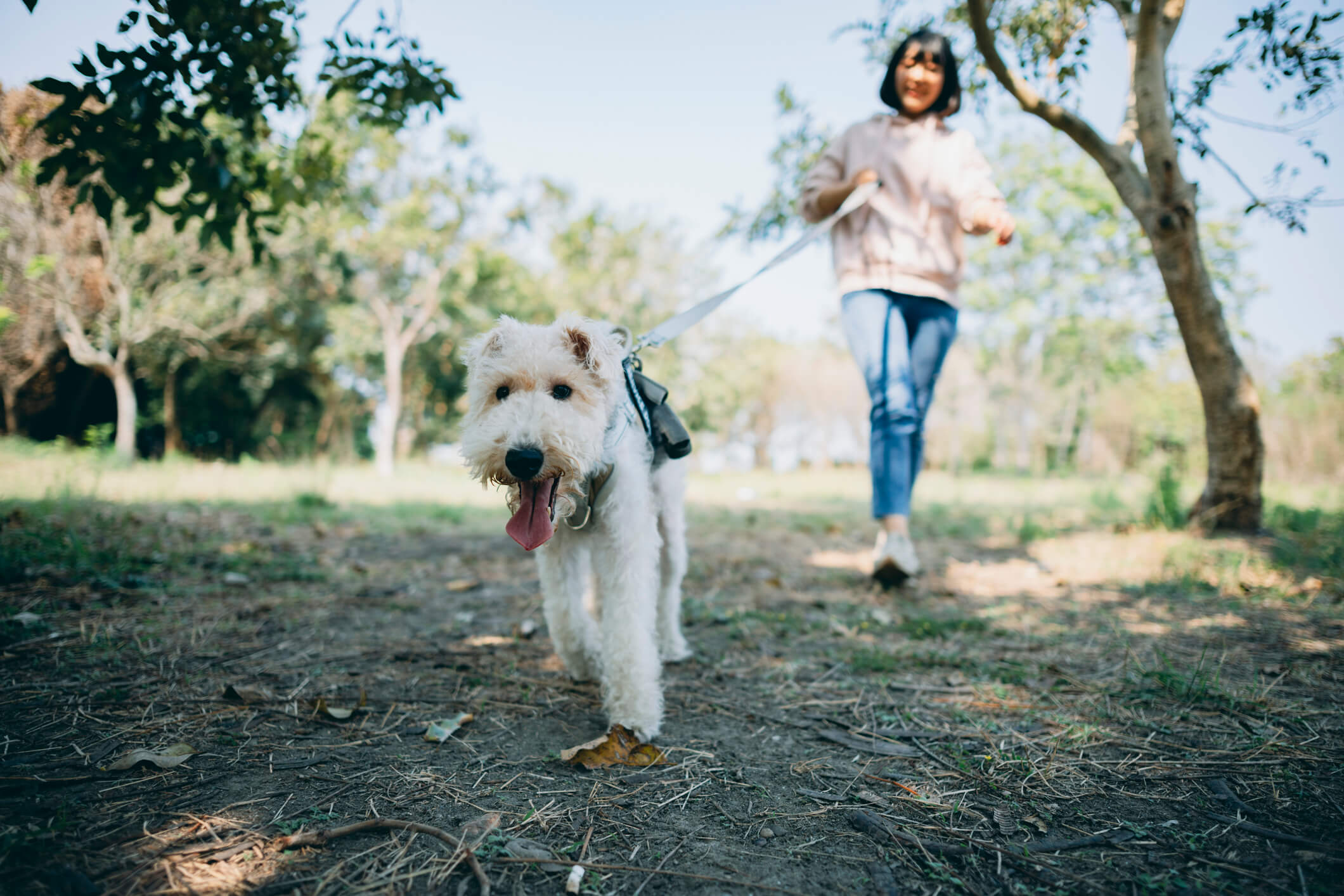
For vets and vet nurses, sustainability can be an interesting and growing topic to explore with clients. So why not offer practical advice that supports both pet health and the planet?
Here’s what the research tells us, and where small changes can make a real difference.
Diet plays a big role
If there’s one place where a pet’s carbon pawprint really adds up, it’s food. For cats and dogs, that usually means animal-based proteins.
In fact, research shows that feeding dogs and cats accounts for a significant share of the environmental impact linked to meat consumption. Does this mean pets shouldn’t eat meat? Not at all – but how it’s sourced and how much is fed all have an impact.
Human-grade isn't automatically healthier (or greener)
While fresh, refrigerated and human-grade pet foods are booming, there’s little evidence that these diets are healthier. In many cases, traditional kibble and wet food provide complete, balanced nutrition and make good use of animal by-products that would otherwise go to waste.
So if you have clients who feel pressure to “upgrade” their pets’ diet, it can be a good idea to help them understand the trade-offs.
Beware of overfeeding
Overfeeding pets is quite common, but also pretty easy to fix. Clear guidance around portion sizes, calorie needs (including treats) and regular weight monitoring can help pets stay healthier and reduce unnecessary waste. Everyone benefits.
Enter lower-impact protein
Many of your clients may not know that not all proteins carry the same environmental cost. For example, beef has a much higher footprint than poultry or fish.
As omnivores, dogs can often tolerate a wider range of protein sources, when clinically appropriate. Cats, on the other hand, are obligate carnivores, so it’s about choosing lower-impact animal proteins, not removing them.
Sustainability goes beyond food
Diet is a major factor, but it’s not the only one. You can also encourage more sustainable choices around:
- - Durable toys and accessories
- - Quality over quantity when it comes to beds, collars and crates
- - Adoption and rehoming conversations, where appropriate
These small, everyday decisions often feel more achievable for clients than radical dietary changes – and they still add up.
A message clients can trust
The most important takeaway? Reducing a pet’s carbon pawprint doesn’t require perfection or extreme measures. It’s about balance. Prioritising pet health first, while making informed, realistic choices where possible.
And these conversations don’t have to stop when the consultation ends.
With your clinic-branded Vetdesk app, you can share educational content like this with clients between visits.
👉 Want to make client education easier and more consistent? Discover how Vetdesk helps you share the right information, at the right time – without adding to your workload.